
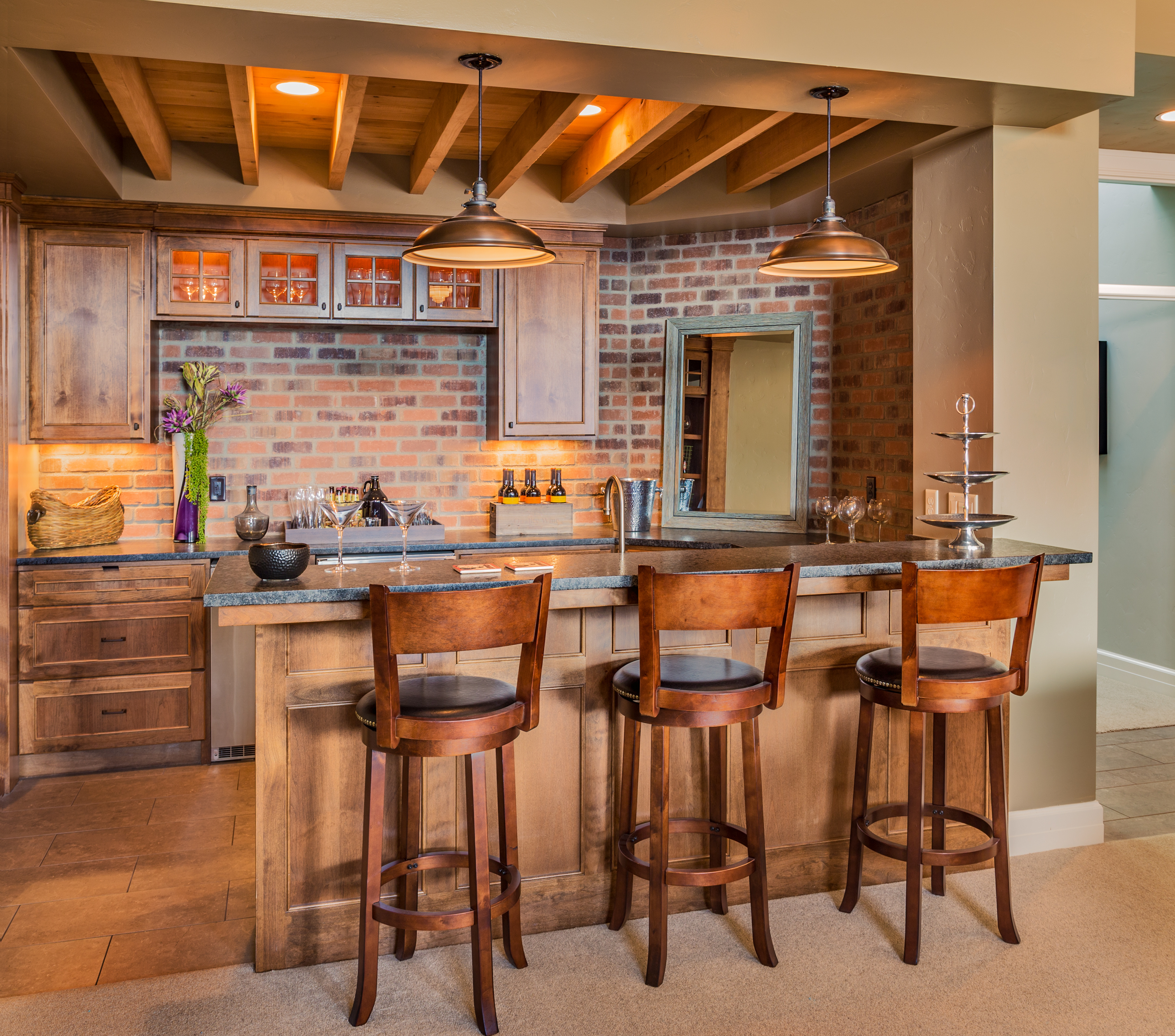
Many New Mexico homes struggle with limited lighting due to deep floor plans, small window openings, thick adobe-style walls, or older construction that predates modern lighting standards. While residential lighting often focuses on fixtures and aesthetics, commercial lighting design solves these challenges through precision, efficiency, and intentional light placement.
At Clay Design & Material Gallery, serving homeowners and professionals near Rio Rancho, NM, we frequently apply proven commercial lighting principles to residential projects — especially in homes where natural light is scarce.
Why Residential Lighting Often Falls Short
Traditional residential lighting relies heavily on:
A single overhead fixture per room
Inconsistent bulb types and color temperatures
Poorly placed recessed lighting
In spaces with limited daylight, this creates uneven illumination, shadows, and eye fatigue. Commercial lighting, by contrast, is engineered to deliver consistent, task-appropriate light across large or challenging environments — making it ideal for residential upgrades.
Principle 1: Layered Lighting Is Non-Negotiable
Commercial spaces never rely on one light source, and neither should homes with lighting limitations. Layered lighting divides illumination into three functional tiers:
Ambient lighting for overall brightness
Task lighting for work zones
Accent lighting for depth and visual interest
By separating these layers, light can be directed exactly where it’s needed without overpowering the space.
In residential kitchens and living areas, this might mean combining recessed fixtures, under-cabinet LEDs, and wall-mounted lighting instead of increasing wattage in a single fixture.
Principle 2: Light Distribution Matters More Than Fixture Count
Commercial lighting prioritizes uniform light distribution, measured by foot-candles rather than fixture quantity. Poor residential layouts often produce bright spots and dark zones, making rooms feel smaller and less comfortable.
Professional layouts:
Space fixtures evenly based on ceiling height
Use appropriate beam spreads
Minimize shadowing on work surfaces
This approach is especially effective in hallways, interior rooms, and homes with limited exterior exposure.
Principle 3: Task Lighting Reduces the Need for Excess Ambient Light
In commercial environments, task lighting allows ambient lighting levels to remain lower while still supporting productivity. Applied residentially, this principle improves comfort and energy efficiency.
Examples include:
Under-cabinet lighting in kitchens
Vanity lighting positioned at eye level
Desk and reading lights in living areas
This strategy reduces glare while improving usability — critical in homes with limited daylight.
Principle 4: Color Temperature Consistency Improves Visual Comfort
Commercial lighting standards require consistent color temperature to reduce eye strain. Residential spaces often mix warm and cool bulbs unintentionally, creating visual discomfort.
Clay Design & Material Gallery typically recommends:
2700K–3000K for living spaces
Uniform temperature across connected rooms
Warm-dim technology where flexibility is needed
Consistency makes spaces feel brighter without increasing output.
Principle 5: Reflective Surfaces Amplify Light
Commercial designers intentionally use reflective surfaces to maximize light efficiency. In residential applications, this includes:
Light-toned cabinetry finishes
Matte or satin wall paints
Strategic use of mirrors and glass
Custom cabinetry plays a major role here. Light-reflective cabinet finishes paired with under-cabinet lighting can dramatically improve perceived brightness.
Principle 6: Lighting Controls Create Flexibility
Dimmers, zoning, and programmable controls are standard in commercial spaces. When used in homes, they allow:
Day-to-night adaptability
Energy savings
Personalized comfort
Homes with limited lighting benefit greatly from this flexibility, as lighting needs change throughout the day.
Energy Efficiency Without Sacrificing Warmth
Commercial lighting principles prioritize efficiency, but modern residential LEDs now deliver high lumen output with warm color rendering. This allows homeowners to improve brightness without increasing energy costs.
Final Thoughts
Applying commercial lighting principles to residential spaces transforms homes with limited lighting into comfortable, functional environments. It’s not about adding more fixtures — it’s about using light intelligently.
Contact Clay Design & Material Gallery to schedule a lighting consultation tailored to your home. We proudly serve homeowners across Albuquerque, Rio Rancho, Santa Fe, Taos, Farmington, and Los Lunas, NM, delivering lighting solutions that combine professional precision with residential warmth.