
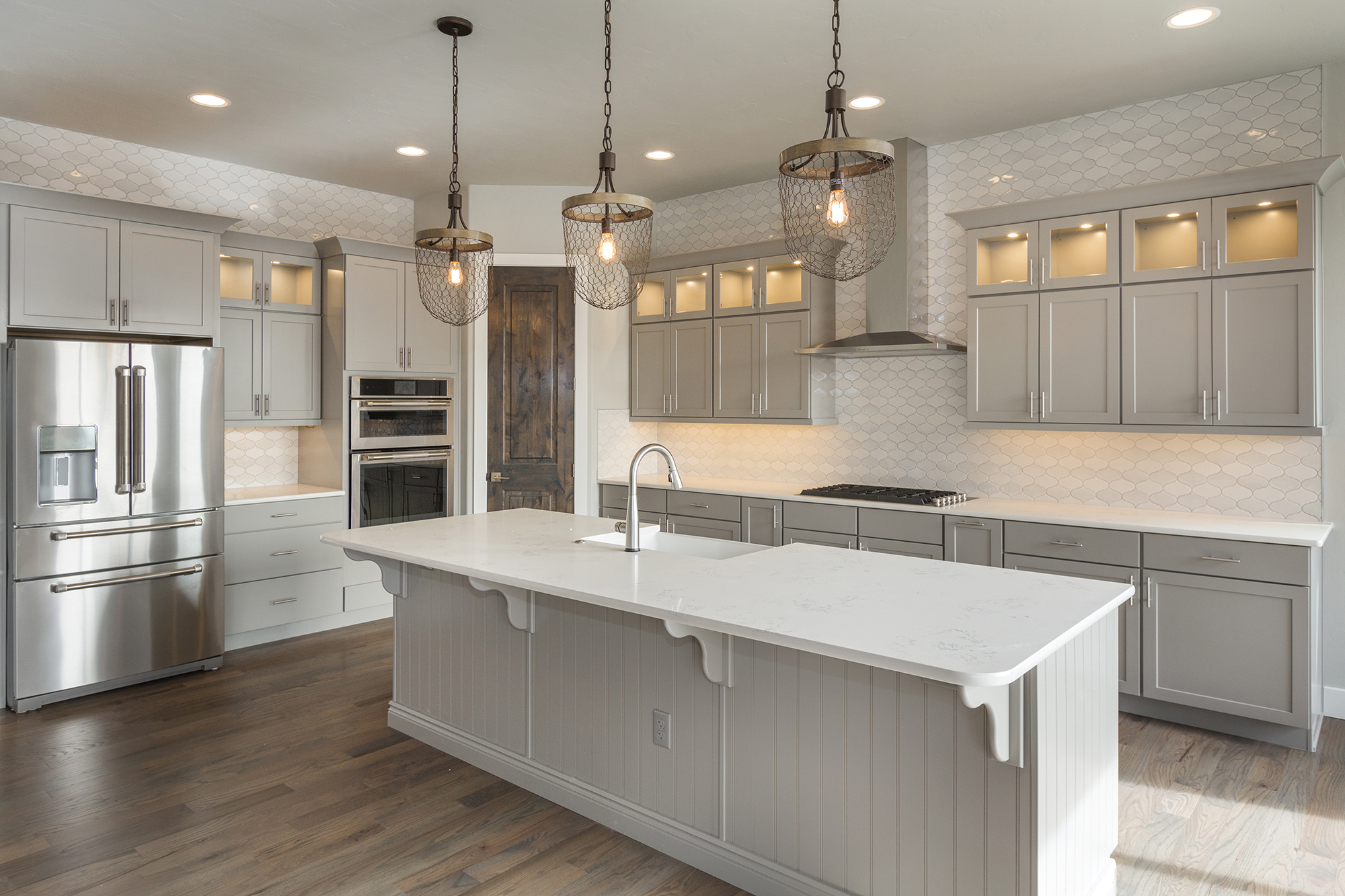
A kitchen can be beautiful, well organized, and still be tiring to use. The issue is often hidden ergonomics. Small design decisions such as where heavy cookware is stored, how often you bend, and whether upper cabinets force awkward reaching can quietly shape the way the room feels over time. A kitchen that causes repeated strain will eventually feel inefficient no matter how polished it looks.
Good ergonomic design is not about medical equipment or clinical aesthetics. It is about aligning storage and work surfaces with natural motion so the kitchen supports the body instead of constantly asking it to compensate.
Drawers usually outperform shelves for lower storage
Base cabinets with fixed shelves often waste the most valuable storage zone in the room. They require crouching, reaching past the front plane, and lifting items out of dark corners. Full-extension drawers solve a lot of that friction. They bring contents toward the user, improve visibility, and reduce the need to kneel or unload half a cabinet to find one item.
Deep drawers are especially useful for pots, pans, mixing bowls, dishes, and food containers. The key is to size them correctly. One oversized drawer becomes a dumping ground. A better approach is to assign drawer heights based on item profile and weight. Heavier items should sit where they can be lifted with a neutral wrist and without deep bending.
Reach range should guide upper cabinet decisions
Upper cabinets often get treated as a visual choice when they are also an ergonomic one. Storage placed too high becomes dead storage or forces repeated shoulder strain. Everyday items should stay within a comfortable reach range for the primary users of the home. Seasonal platters and backstock can go higher. Daily dishes, mugs, oils, and breakfast items should not require tiptoeing.
This is one reason many contemporary kitchens are reducing the number of upper cabinets. It is not purely aesthetic. It is also a functional response to real use patterns. Tall pantry storage, drawer bases, and better interior organization can outperform a wall of poorly accessed uppers.
Countertop tasks create cumulative fatigue
Prep comfort depends on where tools, ingredients, waste, and water are located relative to the body. A prep zone that forces you to pivot repeatedly between sink, trash, knife storage, and refrigerator will feel more tiring than one that keeps those functions clustered. Even a few extra steps repeated every day create unnecessary friction.
The same principle applies to landing space. If there is not enough clear counter next to the refrigerator, oven, or sink, users start balancing items awkwardly, twisting, or crossing the room with hot or wet objects. Ergonomic planning reduces these small stress points before they show up in daily life.
Hardware and opening style affect effort
Cabinet access is physical. Heavy doors, poorly placed pulls, or tight finger clearances all increase effort. Wide drawers with quality glide systems usually feel smoother and more stable than oversized hinged door compartments. Pull placement also matters. Hardware should support a natural hand position and give enough leverage without disrupting the visual scale of the cabinetry.
For homeowners who want a minimal look, hidden hardware and integrated pulls can work well, but they should still be tested for comfort and grip. A sleek detail that is annoying to open five times a day will not feel luxurious for long.
Design for the body you have now and later
Ergonomic kitchen design is not only for aging in place. It benefits parents carrying children, tall users dealing with low counters, shorter users navigating high shelving, and anyone who cooks often. A good design reduces strain now and stays usable over time.
That may mean prioritizing drawer bases, lowering microwave placement, improving pantry visibility, or rethinking where heavy small appliances live. These are not dramatic moves. They are smart, body-aware decisions that make the kitchen easier to use every day.
The hidden ergonomics of kitchen design shape how the room feels more than most people expect. Better drawer access, smarter reach ranges, and more thoughtful storage placement can reduce daily fatigue while improving flow and comfort. It is one of the clearest ways design can quietly improve real life.
Visit Clay Design & Material Gallery at Rio Rancho, NM to explore kitchen redesign options and layout ideas in person. We proudly serve Albuquerque, Rio Rancho, Santa Fe, Taos, Farmington, and Los Lunas, NM. If you want a kitchen that looks refined and feels easier to use every day, contact us today.